
EAD Spotlight
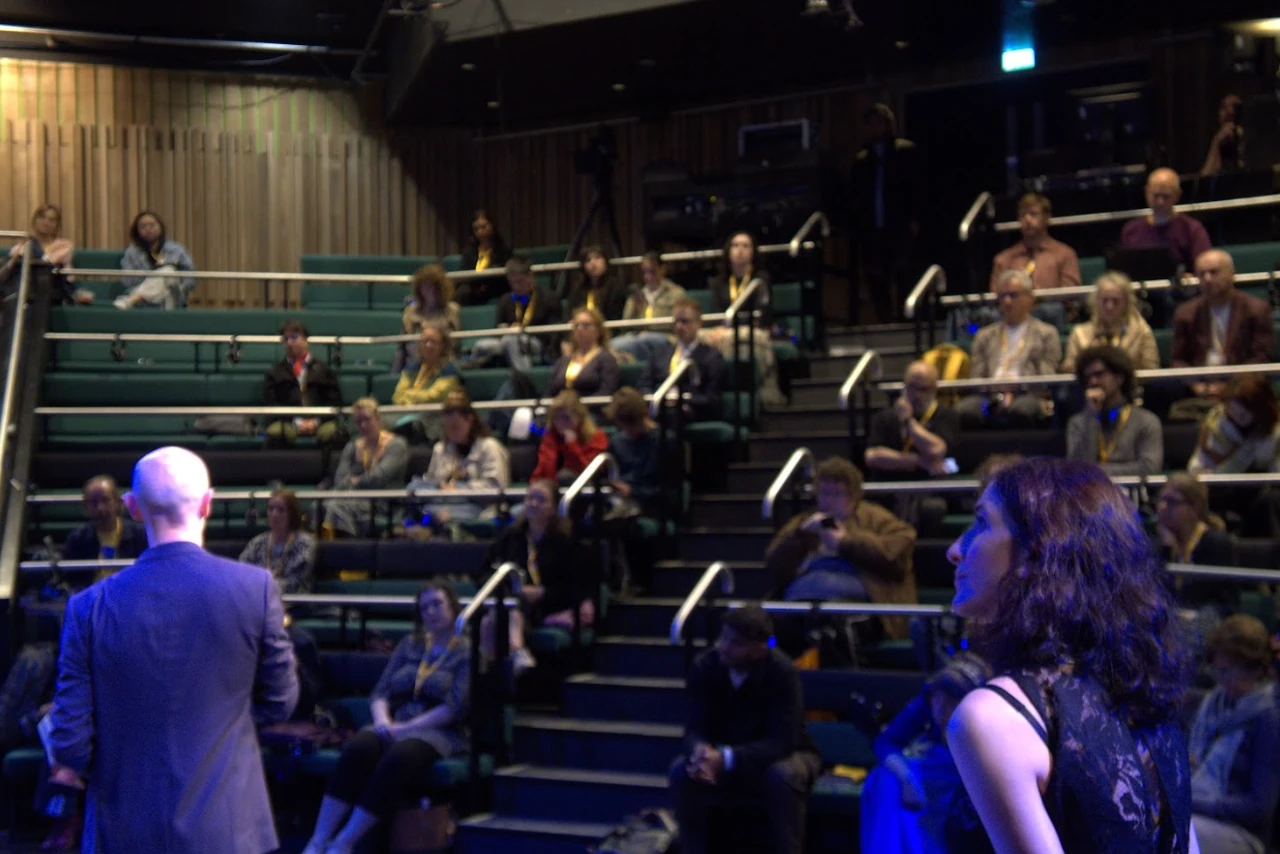
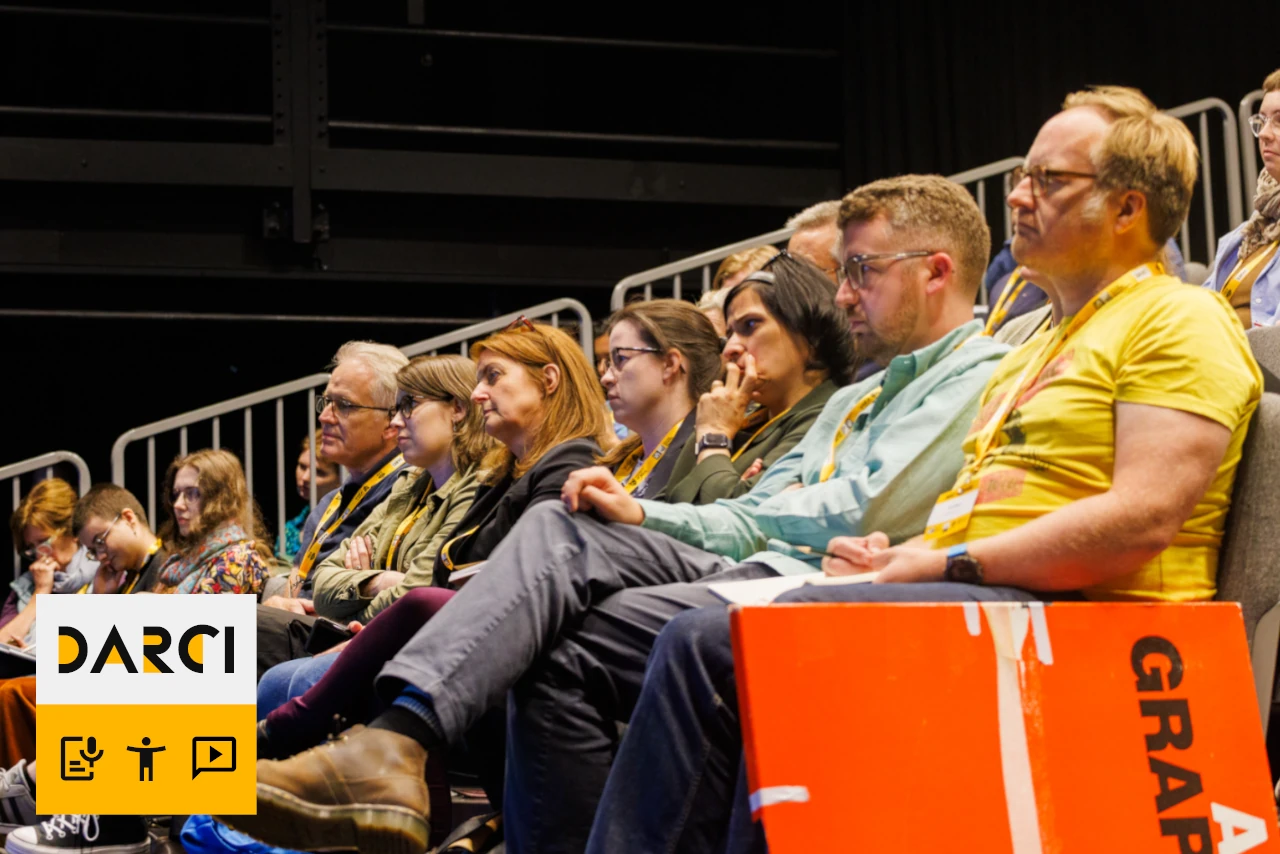
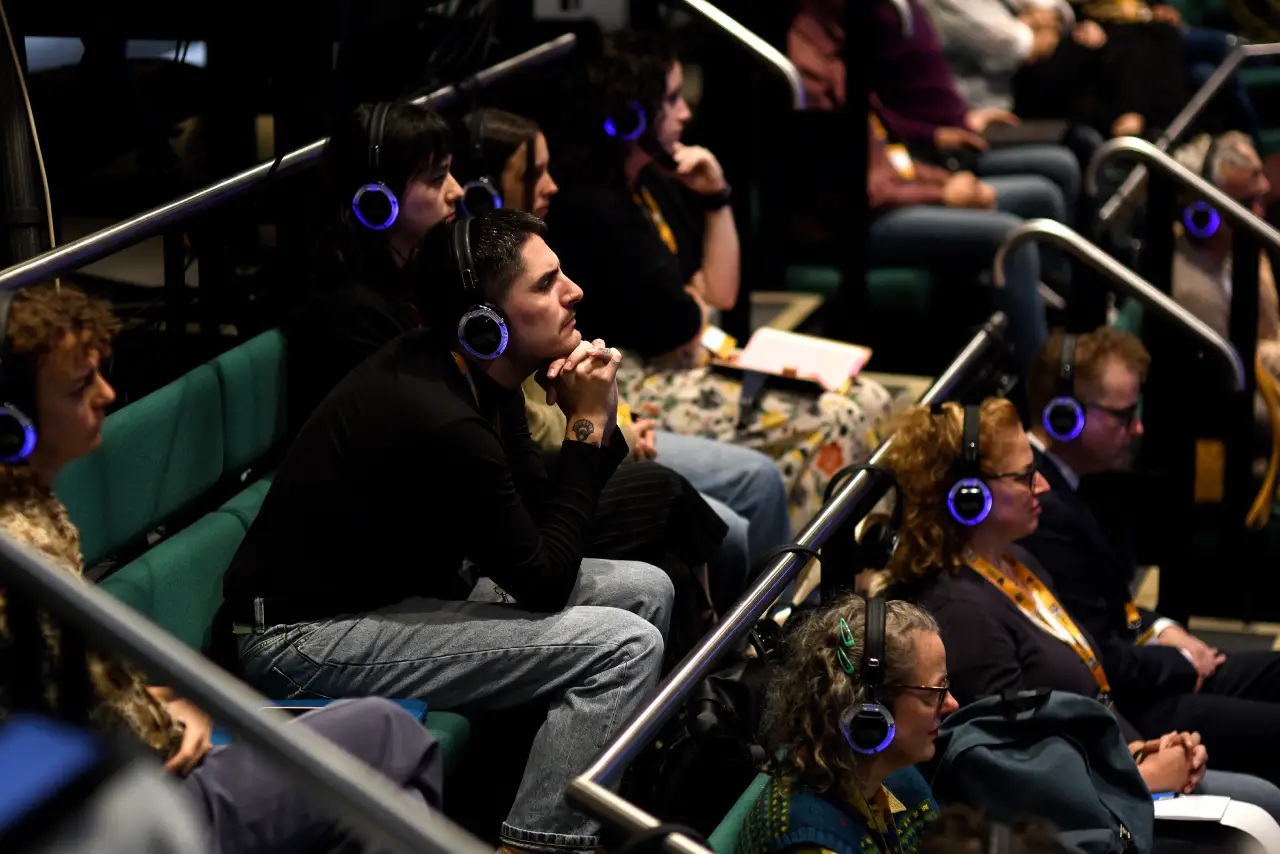
The EAD Spotlight by Mariana and Gavin delivered as part of the DARCI Conference in September 2025 (University of York), outlining what the methods are, the work done in collaboration with filmmakers and future steps. Find out more.
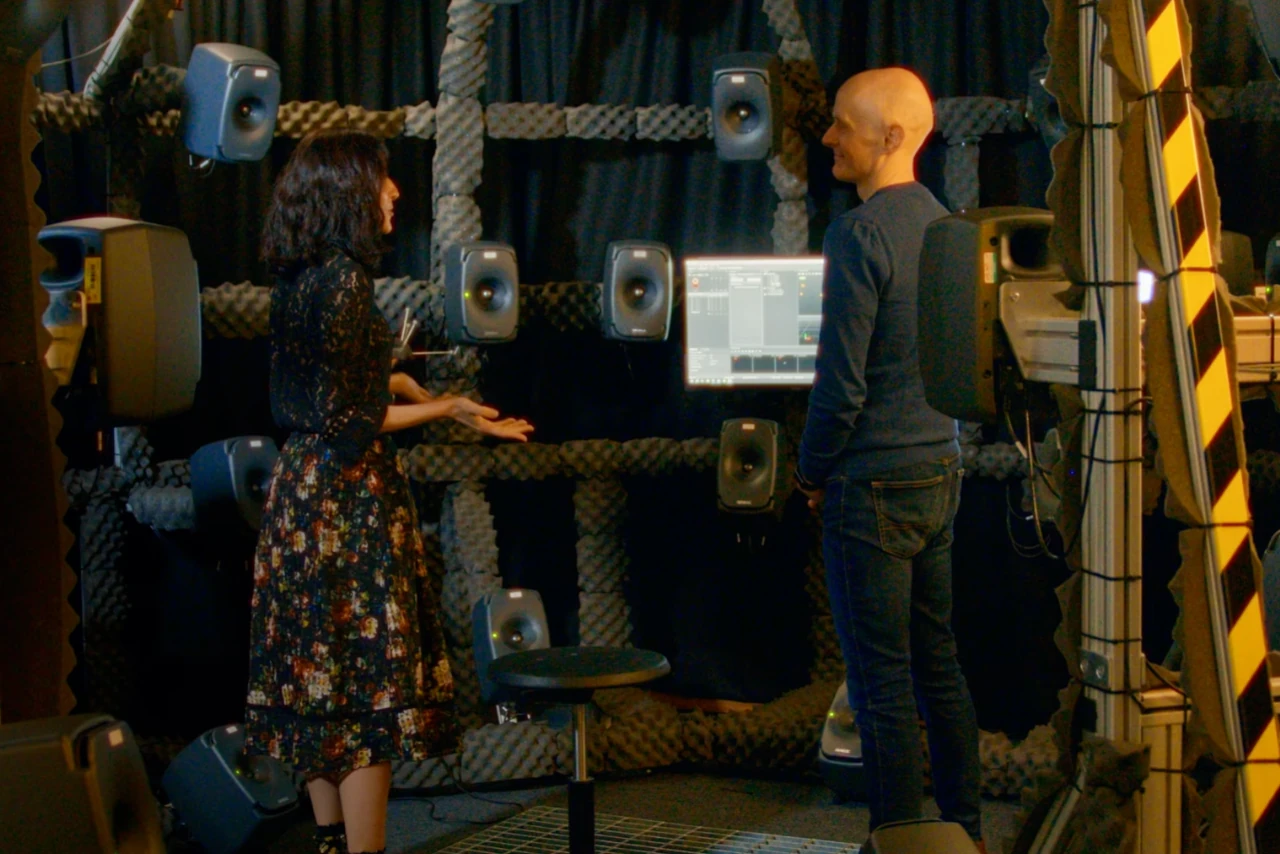
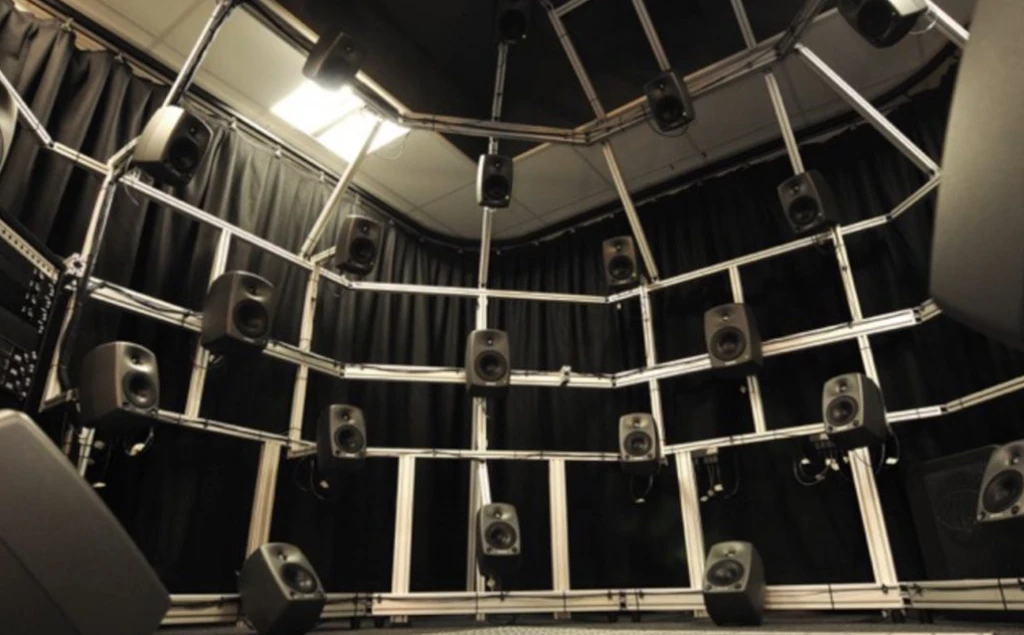
The Enhancing Audio Description II project seeks to explore the potential of sound design practices and spatial audio to provide accessible film and television experiences for visually impaired audiences. It fuses audio technology and creativity to widen the notion of media accessibility and increase the quality and quantity of provision, providing cutting edge techniques to the UK cultural sector.
Enhancing Audio Description II: implementing accessible, personalised and inclusive film and television
experiences for visually impaired audiences, is a project that proposes a new paradigm in accessible
experiences, in which there is not an overreliance on a narrator's spoken word, as in traditional Audio
Description practices. Instead it utilises new accessibility features that include: the addition of sound
effects, the spatialisation of dialogue and sounding objects, and first-person narration, to provide
accessible experiences that are seamlessly integrated to the soundtrack of a film or television programme.
These techniques are integrated into film and television workflows from the development phase up to final
delivery.
The project builds up from previous research which demonstrated the success of these methods, and explores
them even further, by concentrating on the conveyance of cinematographic elements through sound, the
exploration of the intricacies of using first-person narration across different genres and different cast
sizes, as well as exploring how spatialisation techniques can be adapted for multi-listener scenarios for a
variety of loudspeaker formats. The exploration of these methods will be conducted with an end-user centred
approach, in which visually impaired audiences are consulted from the design process up to delivery.
Furthermore, the project explores the creation of guidelines that will allow the incorporation of these
methods to professional broadcasting pipelines and film workflows, by collaborating with a Project Advisory
Panel representative of the different roles in film and television as well as end users.
Enhancing Audio Description II is funded by the Arts and Humanities Research Council, AH/V015583/1. The
first instance of the project was also possible thanks to the funding provided by the AHRC AH/N003713/1,
AH/N003713/2.
The EAD Spotlight by Mariana and Gavin delivered as part of the DARCI Conference in September 2025 (University of York), outlining what the methods are, the work done in collaboration with filmmakers and future steps. Find out more.
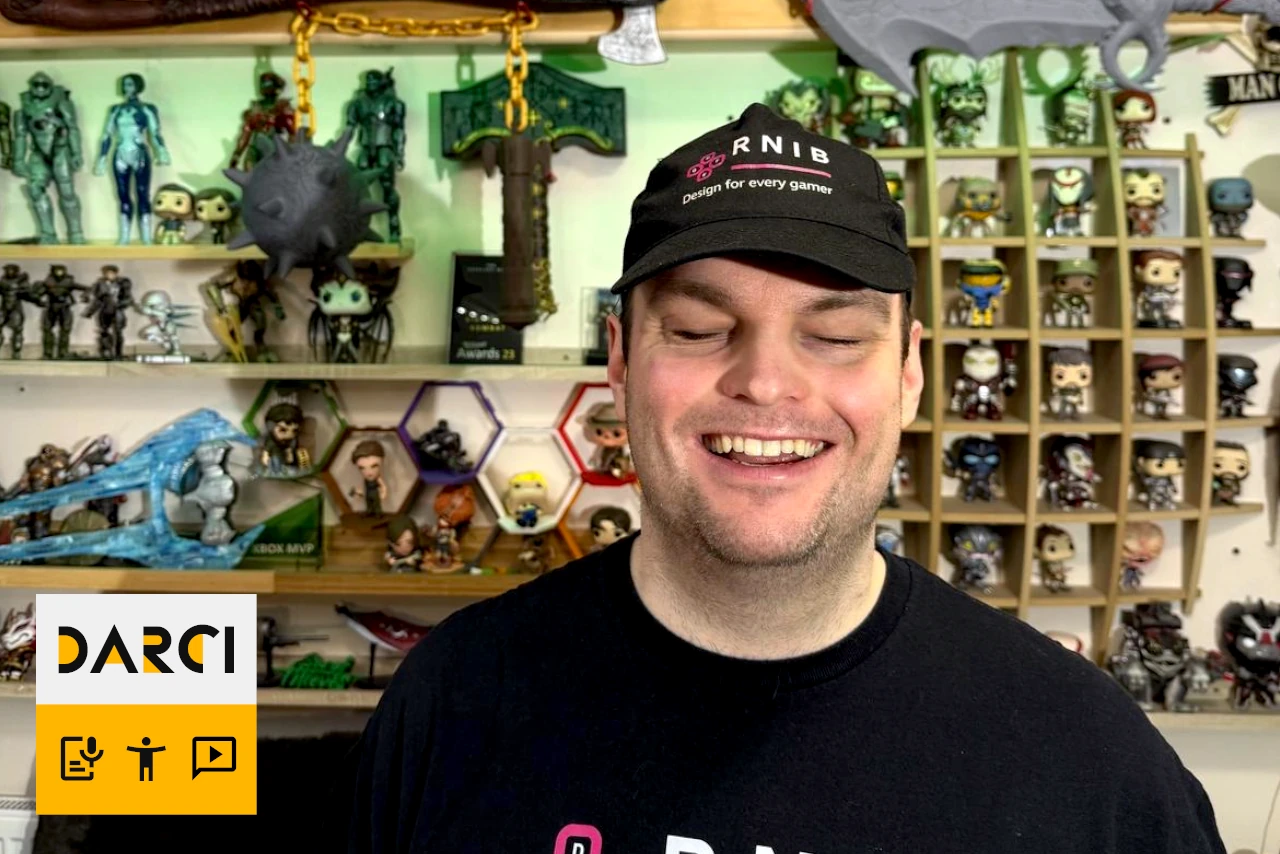
In this episode of the DARCI podcast, Mariana speaks with accessibility consultant and gamer SightlessKombat about the realities of playing and creating video games as a blind person. They explore the progress, frustrations, and future of game accessibility, from audio design to inclusive development practices. The conversation highlights why accessibility isn’t just for a few players, but essential for everyone. Find out more.
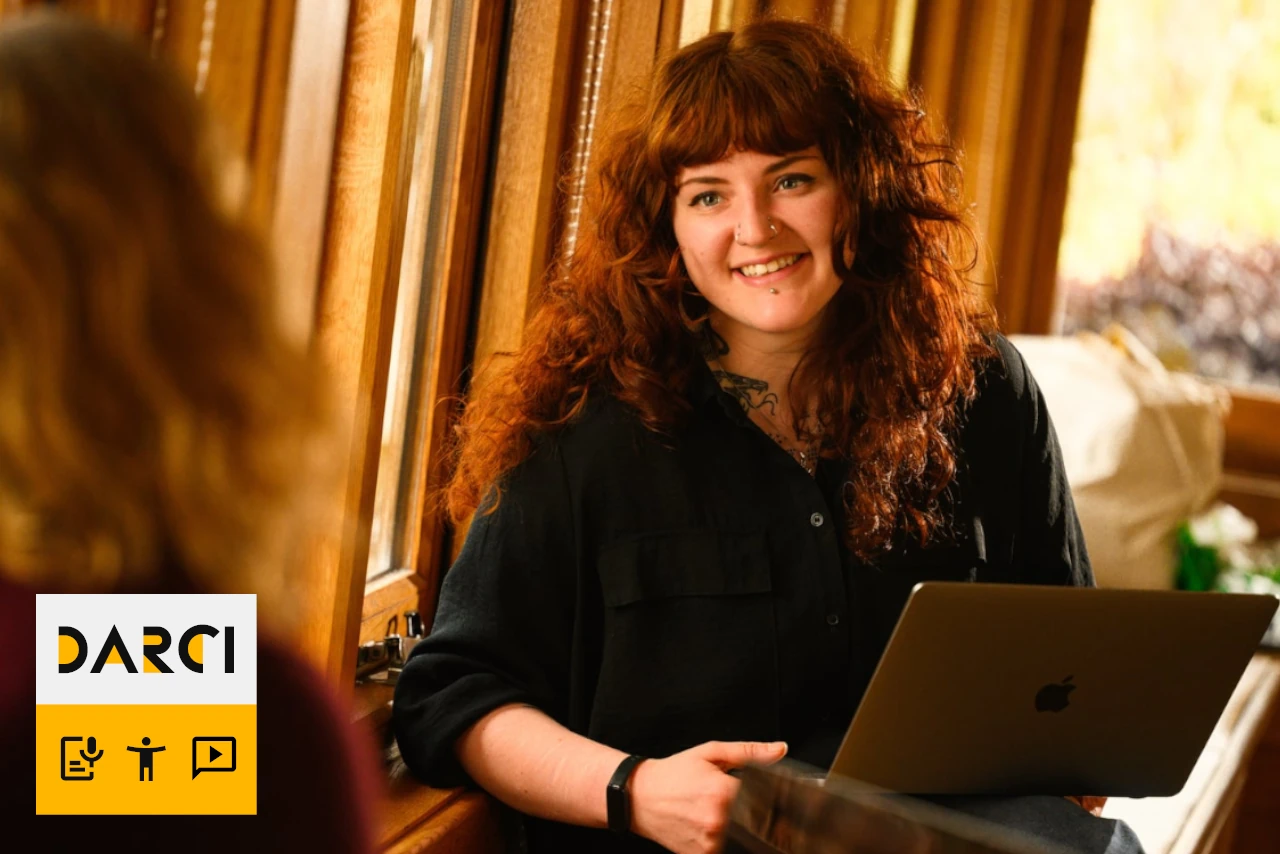
In this episode, Mariana interviews Marie Campbell, an expert in Audio Description and the AD Excellence Lead at Red Bee Media. Marie and Mariana discuss the craft of Audio Description, focusing on creativity, editorial challenges, and inclusive approaches to describing diversity for blind and visually impaired audiences. Find out more.
In this post, Mario shares an update on the work he carried out as part of the EAD project. His research focuses on how changes in reverberation can be better understood and used to support accessible film sound for visually impaired audiences. Find out more.
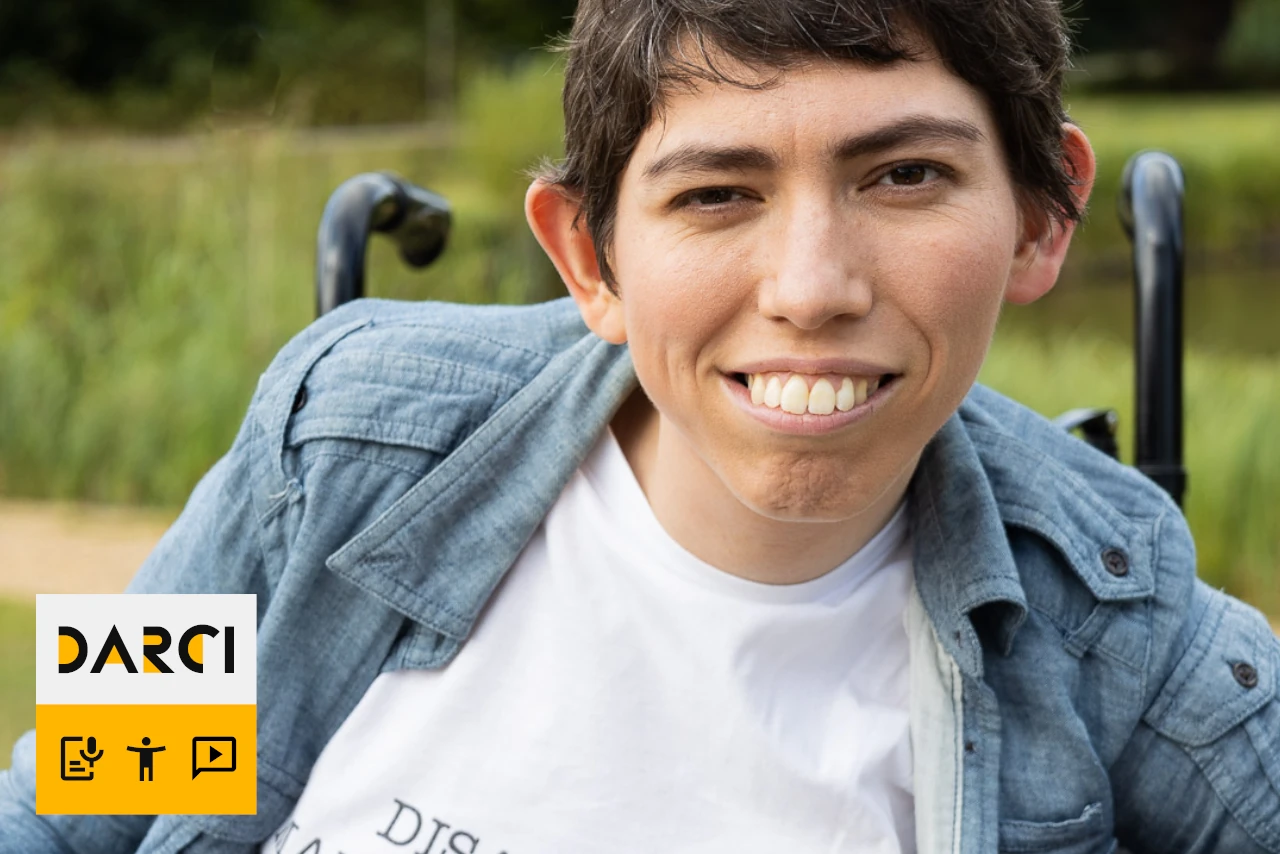
In this episode, Mariana interviews Christopher Samuel, a multi‑disciplinary artist working on disability and its intersection with race. His work uses humour to raise insightful questions about accessibility and representation. Find out more.
We were delighted to offer an internship with Nina Hartstone as part of the project. In this blog post, Case reflects on their experience. Find out more.
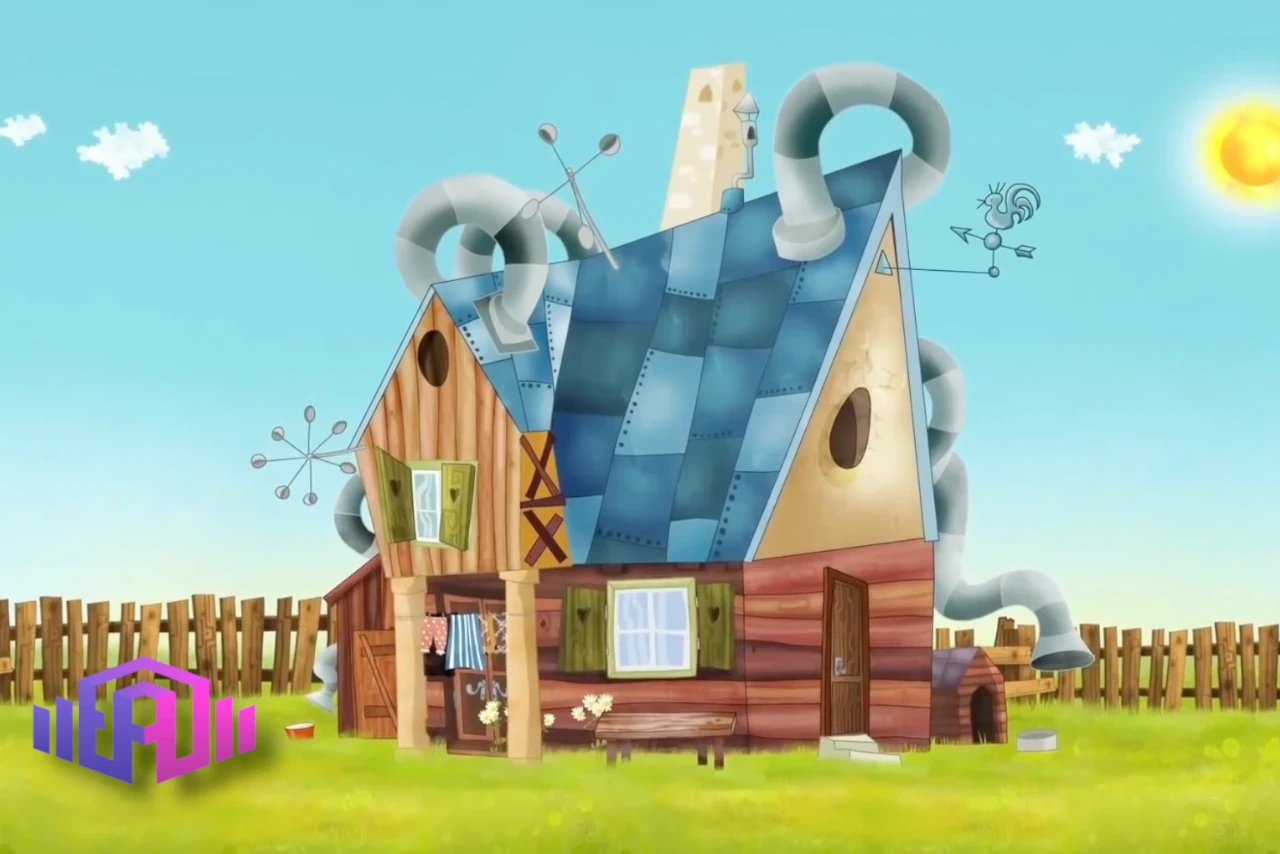
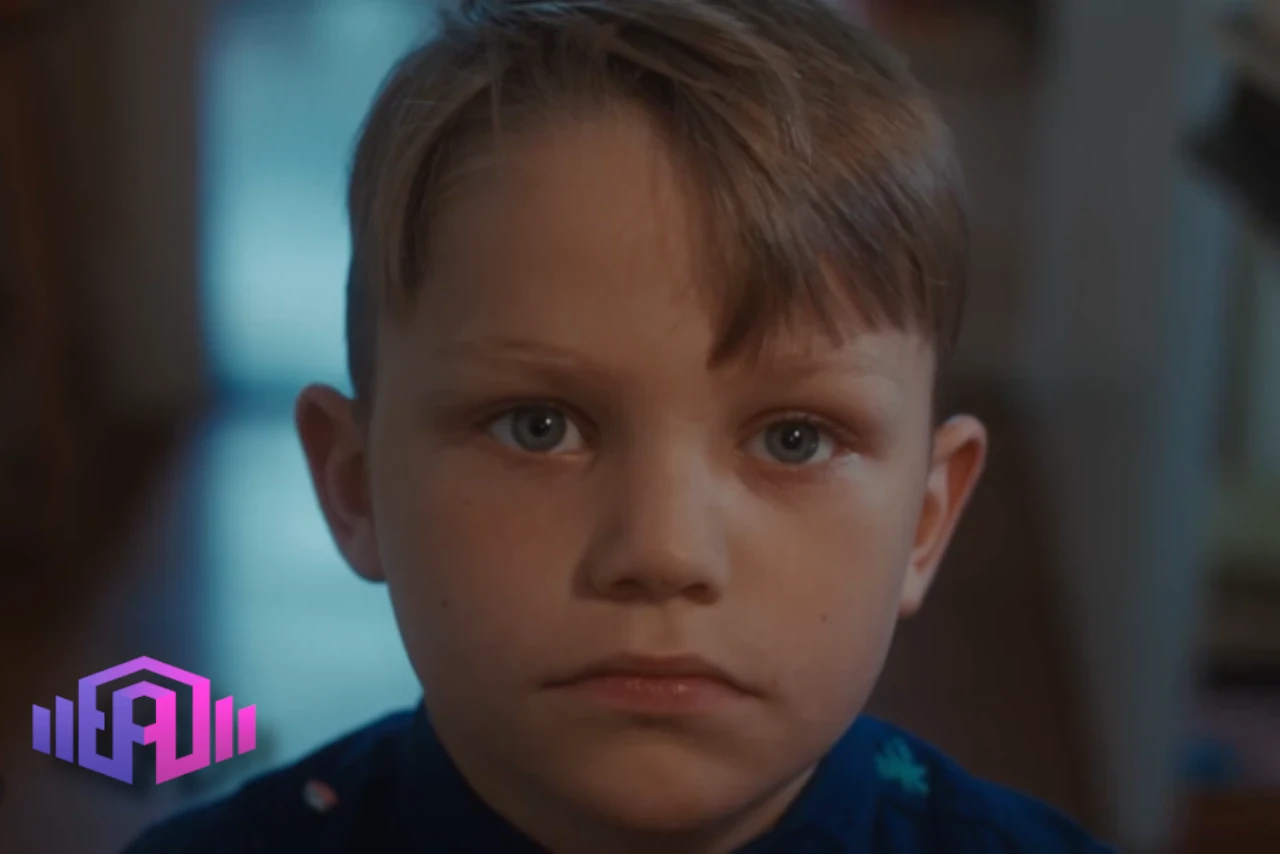
Back in 2022 we welcomed Dr Monika Zabrocka to the University of York on a 2-year fellowship. As part of that fellowship, Monika and Mariana collaborated on a project that resulted in the creation, in 2024, of an EAD track for an episode of GS Animation's Mami Fatale. This was the first time we worked on a children's animation. Find out more.
A demonstration of the work we do and how it adapts to different types of productions. We have set it up in an A/B format, so you can watch the 'original' clip first and then it's followed by the EAD version. Our EAD work uses binaural audio, please listen over headphones to experience the audio spatialisation. Captions are available. Find out more.
In this interview, Lily explains how Stopgap Dance’s approaches to accessibility reshape practice, broaden disabled artist representation, and underscore inclusive leadership, while also normalising disability in creative work. Find out more.
In this interview, Jessi discusses topics such as the importance of nuance in disability research, the need for diverse representation across all media, and how inclusive accessibility can broaden audience engagement and enjoyment. Find out more.
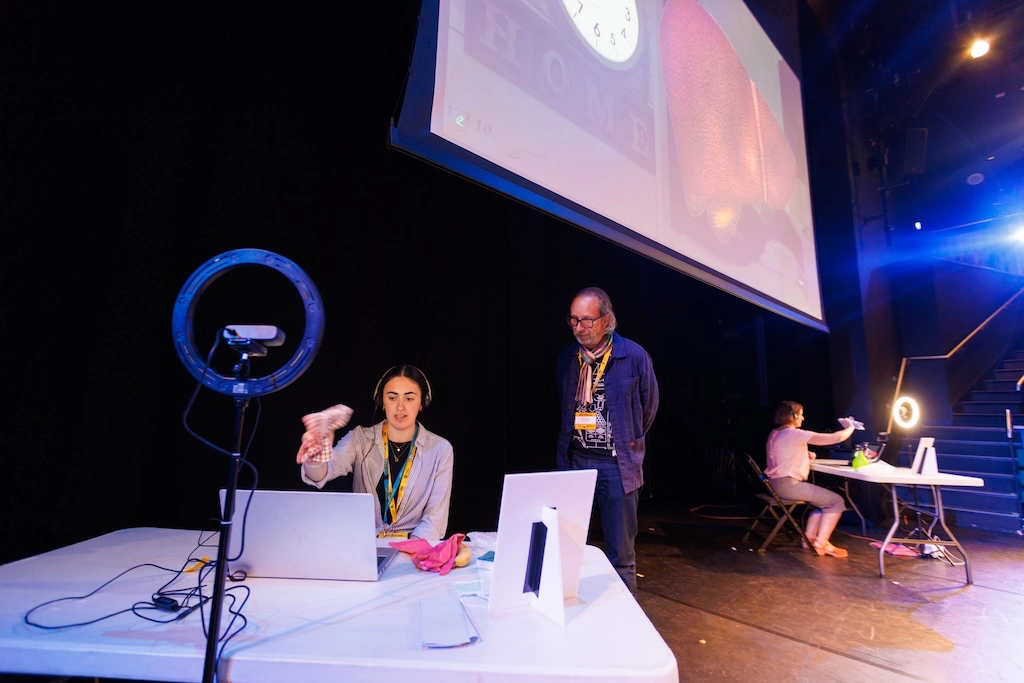
In this very special podcast episode, the EAD team reflects on the DARCI conference they organised at the University of York from 10‑12 September, sharing the challenges and triumphs of creating a truly inclusive, accessible event. Find out more.
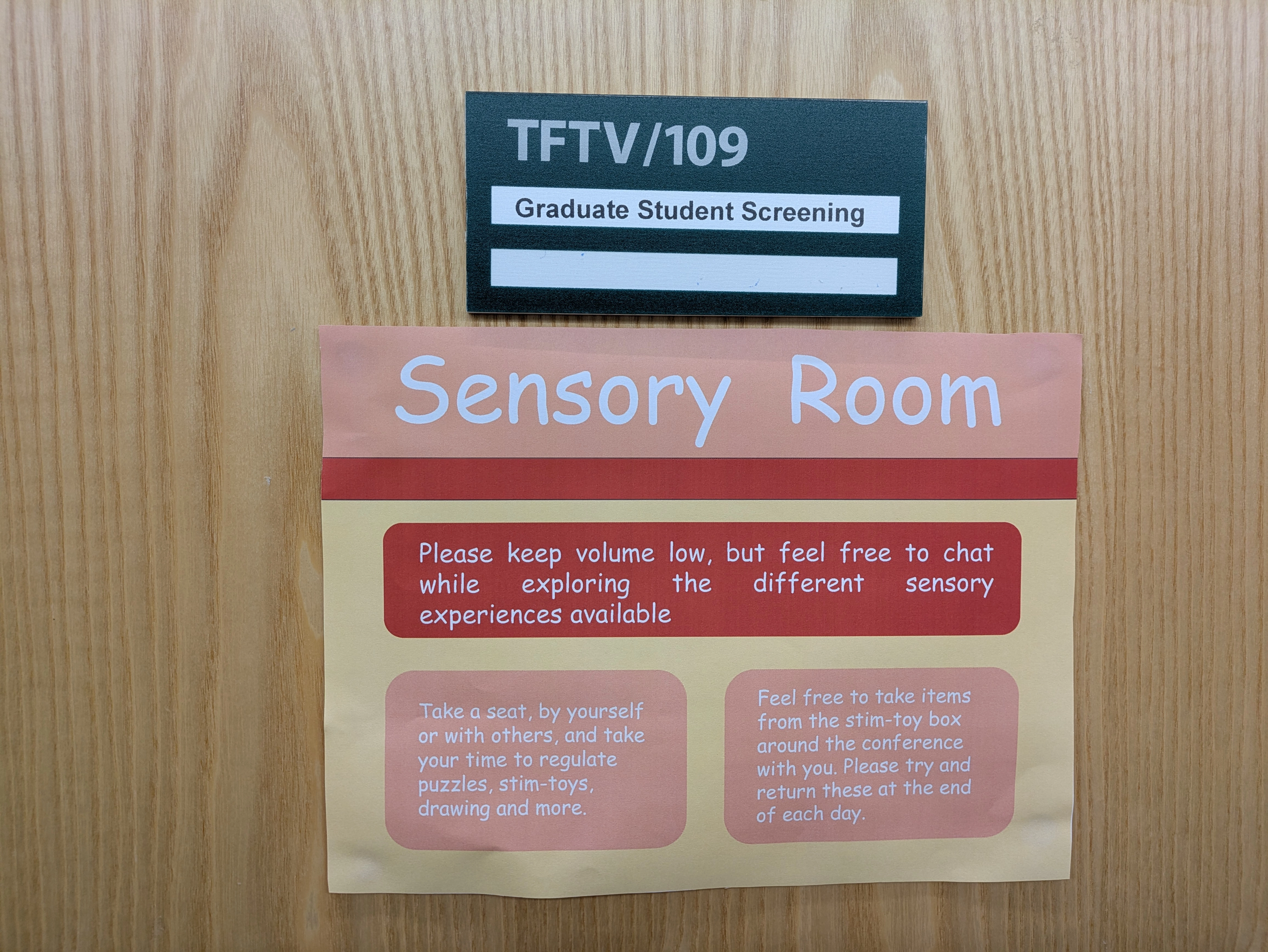
We are delighted to have had Eden design a sensory and a quiet room for the DARCI conference. In this post Eden sums up their experience. Find out more.
A short video introducing the Enhanced Audio Description (EAD) methods, featuring Mariana López, Gavin Kearney, Warren Wilson and Samantha Moore. Captions and a short video description available on Vimeo. Find out more.
We are excited to have had Martha doing an internship with us. In this post she sums up her experience on working on the DARCI Conference. Find out more.
On beautiful, creative and thought-provoking access and representation: reflecting on the DARCI Conference. Find out more.
This podcast episode features an interview with Monika Zabrocka, exploring creative audio description for children, neurodivergent inclusion, and the future of accessible storytelling. Find out more.
This podcast episode features an interview with Mairi Taylor, discussing accessibility in theatre, collaboration, and the challenge of retaining knowledge to sustain disability inclusion efforts. Find out more.
We are excited to have had Bob doing an internship with us. In this post he sums up his experience on working on a promotional and a demo film for the EAD method. Find out more.
Our team carries out focus groups, interviews and other sessions on a regular basis. If you are visually impaired and are interested in participating you can sign up to our participants' mailing list below to find out about the opportunities available.